The Future of Civic Construction
Key trends shaping how communities plan, design and build essential public facilities
Civic buildings are the foundation of strong communities—places that support public safety, foster connection and enable essential services. Because these facilities play such a vital role, they demand a construction partner with deep, specialized expertise. With extensive experience delivering civic projects, McCownGordon brings proven knowledge, innovation and client‑focused solutions that help communities get more from every investment.
Trends Shaping The Future of the Civic Market
1. Rising Costs & Complicated Budgets
As construction costs continue to rise, civic entities are exploring more creative budgeting and funding strategies. While bonds and sales tax revenue remain common, many projects now rely on layered funding structures such as public‑private partnerships and multiple levels of government support. This has increased interest in phased construction, bond‑friendly planning and securing early cost certainty—which in turn influences the selection of alternative delivery methods that help manage risk and escalation.
View the Green Street Development, a public-private partnership
2. Partnerships, Transparency & Early Engagement
With compressed budgets, communities expect exceptional stewardship, transparency and thoughtful decision‑making. Civic owners are placing greater emphasis on public engagement, open communication and clear visibility into how tax dollars are being utilized. McCownGordon advocates for early involvement—working closely with stakeholders from day one to ensure facilities reflect community priorities and long‑term public investment.
3. Environmental & Energy Considerations
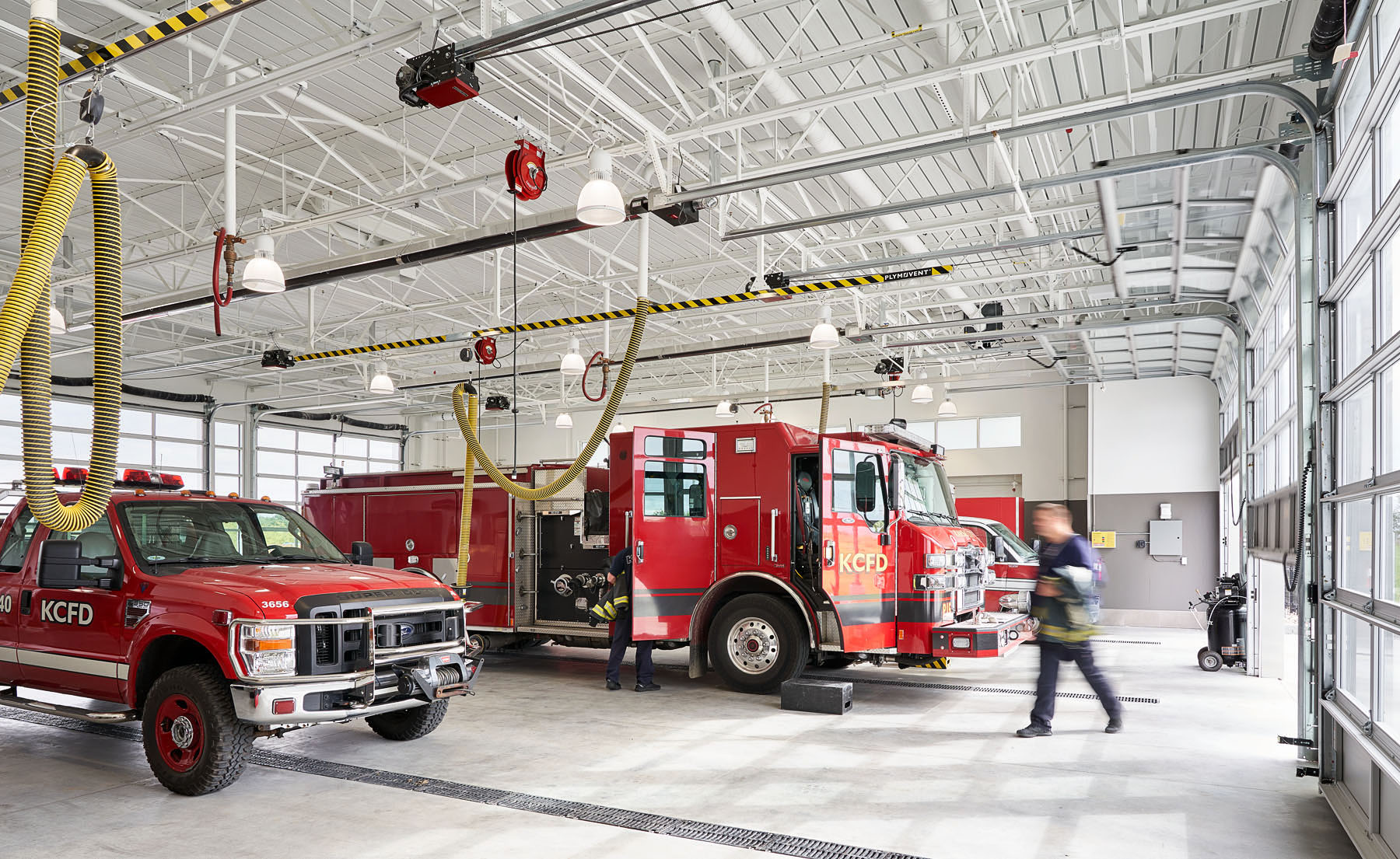
More civic clients are prioritizing sustainability, whether through formal certifications like LEED or WELL, or through targeted energy saving initiatives. McCownGordon recently delivered an Overland Park fire station featuring solar panels that support the city’s sustainability goals while reducing operating costs. As expectations rise, energy efficiency and environmental resilience are becoming essential components of civic design.
4. Multipurpose Spaces
Budget pressures are driving a strong demand for flexible, multipurpose spaces that can serve several functions throughout the day. These adaptable areas support public meetings, community programs, training and staff use—maximizing the value of every square foot. Well‑designed multipurpose spaces help communities stretch their investment further while ensuring facilities remain relevant as needs evolve.
5. Speed to Market
Communities facing population growth and aging infrastructure are pushing for faster delivery timelines. This trend is increasing the use of early contractor involvement, which helps streamline design, expedite permitting and improve constructability reviews—all crucial for maintaining schedule certainty without sacrificing quality.
6. Lifecycle Costs & Maintenance-Free Building Products
Civic leaders are evaluating total cost of ownership more holistically than ever before. Operational efficiency, maintenance requirements, staff needs and long‑term durability now play a central role in material selection and design decisions. While upfront costs remain important, lifecycle performance is becoming a key driver of value.
The civic market is evolving rapidly as communities balance rising costs, sustainability goals and the need for flexible, long-lasting facilities. These trends highlight the importance of early engagement, innovative funding strategies and smart design solutions that maximize every public dollar. With deep civic experience, McCownGordon helps clients navigate this complex landscape and deliver facilities that serve their communities for generations.