Delivering Concrete That Meets the Demands of Public Safety Facilities
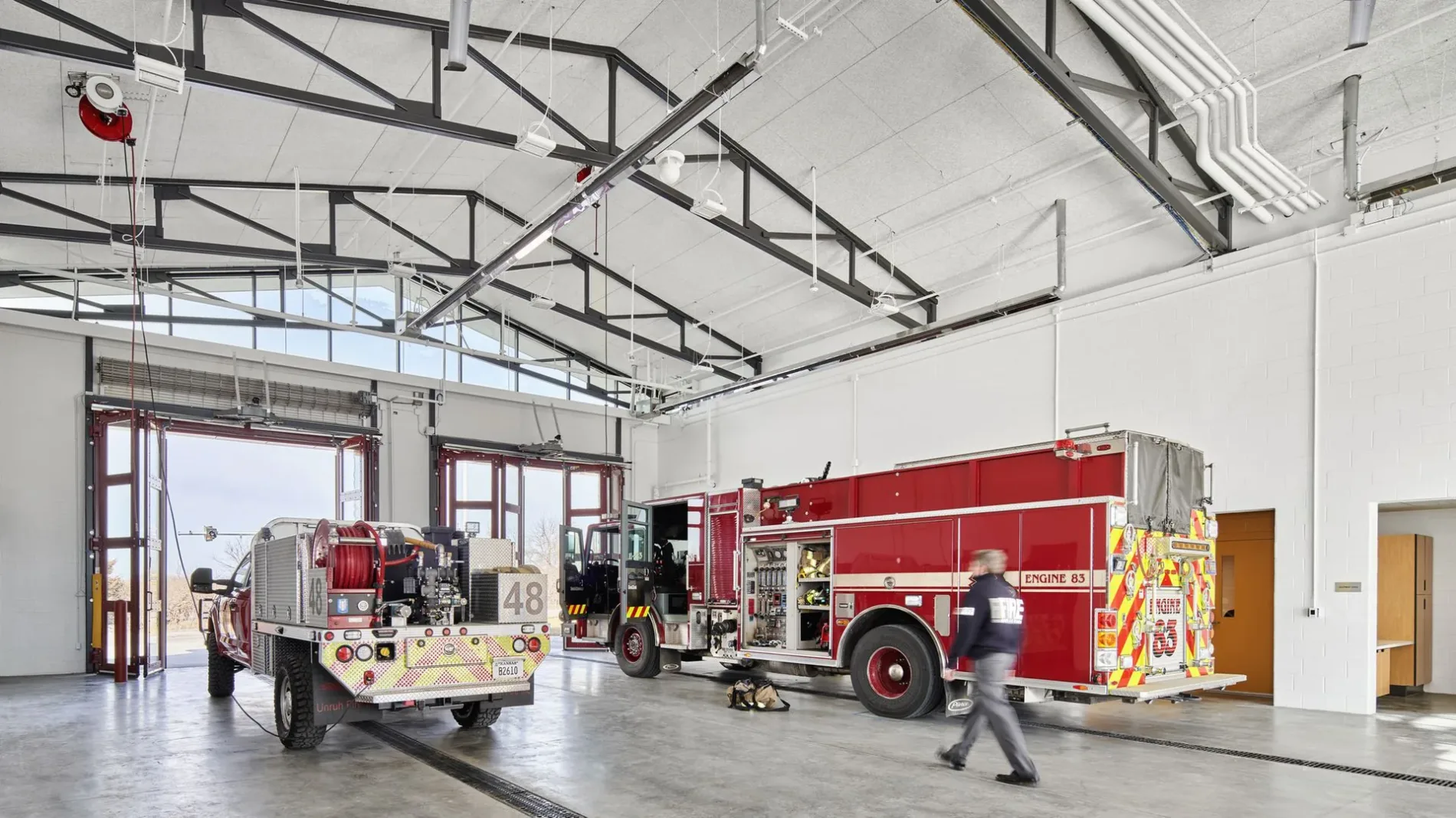
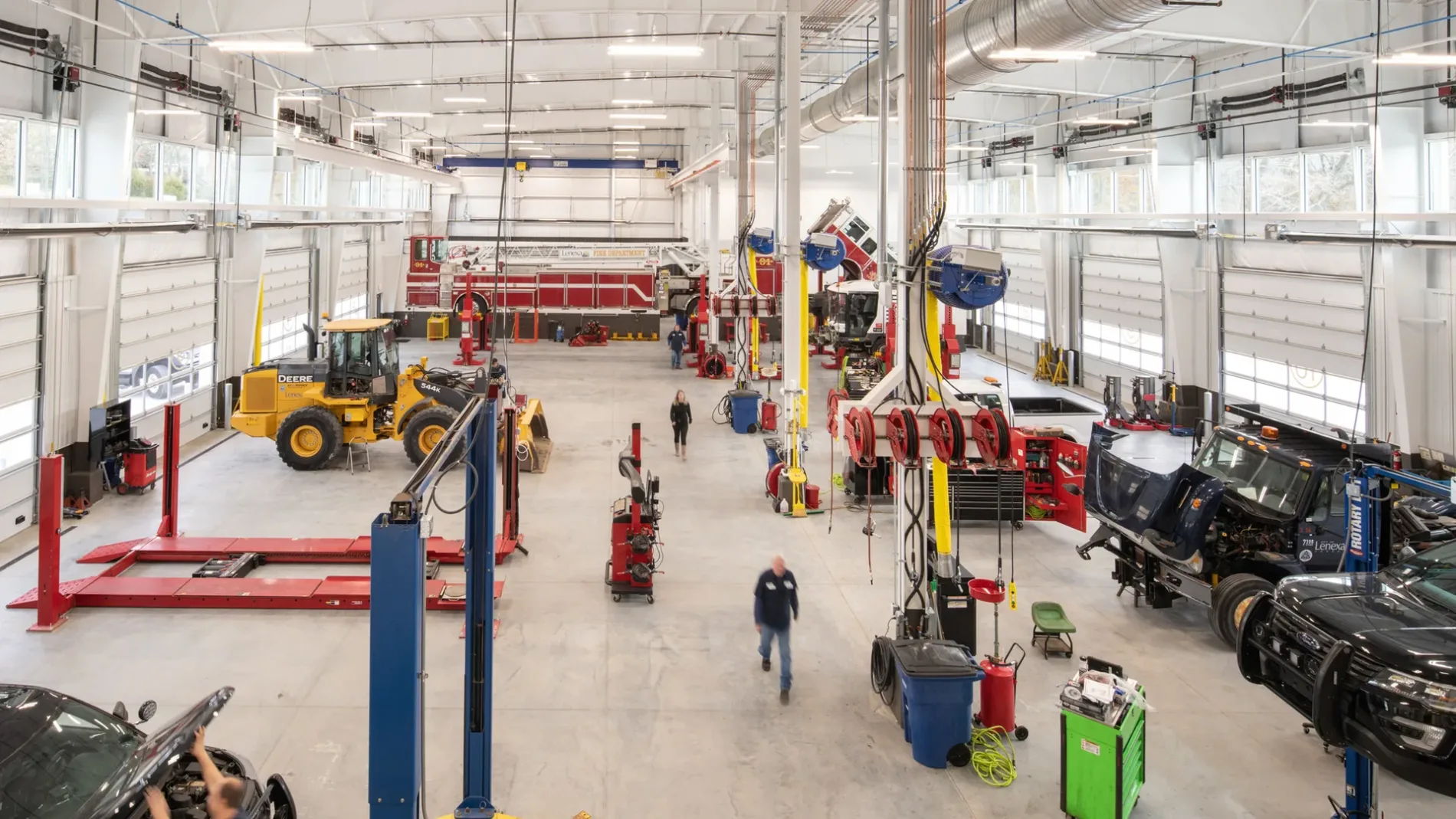
Concrete is one of the most visible—and heavily utilized—elements of any public safety facility. Apparatus bays support the weight of emergency vehicles every day. Interior slabs are exposed to hydraulic fluids, equipment traffic and constant operational demands. Unlike many buildings, imperfections in concrete performance are immediately noticeable to facility staff and can impact long-term maintenance costs.
The good news is that achieving high-quality concrete is largely driven by decisions made long before the first truck arrives on site. With the right planning, coordination and quality controls in place, owners can significantly improve long-term performance and appearance.
Learn More About Our Approach to Quality Control
Concrete Quality Starts Before the Pour
When owners think about concrete, they often focus on placement and finishing, but in reality, some of the most important decisions occur months earlier.
Successful concrete installation starts with clear expectations for appearance and performance. Reviewing reference slabs, evaluating mix designs, selecting the right curing methods, and engaging experienced trade partners all shape the final result. Early coordination helps owners, designers and contractors define acceptable quality and identify potential risks before work begins.
The best concrete results are achieved when quality is prioritized from the earliest stages of project planning.
How Climate Conditions Impact Concrete Performance
Concrete performance is heavily influenced by environmental conditions, making regional climate an important consideration during planning and placement. Temperature, humidity, wind and evaporation rates can all affect finishing windows, curing conditions and the long-term appearance of the concrete. At the same time, evolving cement technologies—such as the increased use of Type 1L cement—have introduced new variables that require thoughtful management. For example, in Texas, high temperatures combined with fluctuating humidity levels can accelerate moisture loss and create tighter finishing windows, requiring careful monitoring and proactive measures. Regardless of location, understanding how local climate conditions interact with material characteristics allows project teams to make informed decisions that support both durability and quality.
For public safety facilities, where concrete often remains exposed and highly visible for decades, these decisions have long-term consequences.
Planning for Predictable Concrete Performance
One of the most common misconceptions among project stakeholders is that quality concrete will never crack.
The reality is that all concrete cracks. The objective is not to eliminate cracking altogether but to control where it occurs and minimize impact. Success depends on thoughtful planning around saw-cut locations, construction joints, trench drains, re-entrant corners and other stress concentration points before construction begins.
When these discussions happen early, owners gain greater control over long-term performance and appearance.
Why Public Safety Owners Should Pay Attention to Cement Changes
Many facility owners are unaware of how evolving cement technologies can influence maintenance requirements.
The growing use of Type 1L cement offers sustainability benefits but introduces considerations that owners should understand during design and construction. Material selection, maintenance strategies and protective measures should be discussed before occupancy to ensure facilities continue performing as intended throughout their lifecycle.
An informed owner is better equipped to make decisions that balance sustainability, durability and appearance.
The Future of Concrete Quality Is Proactive, Not Reactive
For many years, quality control meant inspecting completed work and documenting deficiencies. Today’s most effective programs take a different approach.
McCownGordon’s proactive quality assurance process identifies risks before placement, aligns stakeholders before installation, uses data to inform field decisions and educates owners throughout the process. This approach reduces surprises, improves outcomes and helps deliver concrete installations that meet the operational demands of critical facilities such as fire and police stations.
For public safety owners, reliability isn’t optional. Facilities must perform as intended from day one and continue serving their communities for generations. That’s why selecting a construction manager with proven concrete expertise and a rigorous QA/QC program is critical to minimizing risk, protecting long-term performance and delivering the quality these mission-critical facilities demand.