From Existing Conditions to Informed Decisions: How Scan to BIM Supports Better Project Outcomes
When planning a renovation, expansion or modernization project, one of the biggest challenges is understanding existing conditions accurately. Original drawings may be outdated, building systems may have changed over time and hidden elements can create unexpected obstacles once construction begins.
That’s where Scan to BIM technology comes in.
By combining laser scanning with Building Information Modeling (BIM), project teams can create highly accurate digital representations of existing spaces, providing the information needed to make informed decisions before construction starts. As part of a broader Virtual Design and Construction (VDC) strategy, Scan to BIM reduces risk, improves coordination and supports better project outcomes from planning through execution.
What Is Scan to BIM?
Scan to BIM is the process of capturing existing conditions using laser scanning technology and converting that data into a detailed Building Information Model (BIM).
During scanning, millions of data points are collected to create a “point cloud,” which accurately represents the physical environment. That information can then be transformed into a digital model containing architectural, structural and building system components.
The result is a reliable, data-driven representation of a facility that project teams can use for planning, design, coordination and construction.
Why Accurate Existing Conditions Matter
Every project starts with information. When that information is incomplete or inaccurate, teams are forced to make assumptions that can lead to costly surprises later.
This challenge is especially common on renovation and modernization projects where existing documentation may not reflect current conditions, or in many cases, accurate models are not available. Over time, buildings evolve through renovations, equipment upgrades and system modifications that are never fully documented.
Without a clear understanding of existing conditions, teams may encounter:
- Unanticipated structural conflicts
- Inaccurate dimensions
- Coordination challenges between building systems
- Delays during construction
- Increased rework and change orders
By capturing real-world conditions before design and construction begin, Scan to BIM helps eliminate uncertainty and provides a foundation for more informed decision-making.
Turning Existing Conditions into Design Confidence
One of the greatest advantages of Scan to BIM is its ability to support coordination long before work begins in the field. By providing project teams with an accurate representation of existing conditions, new systems can be integrated with greater confidence and potential conflicts can be identified earlier in the process.
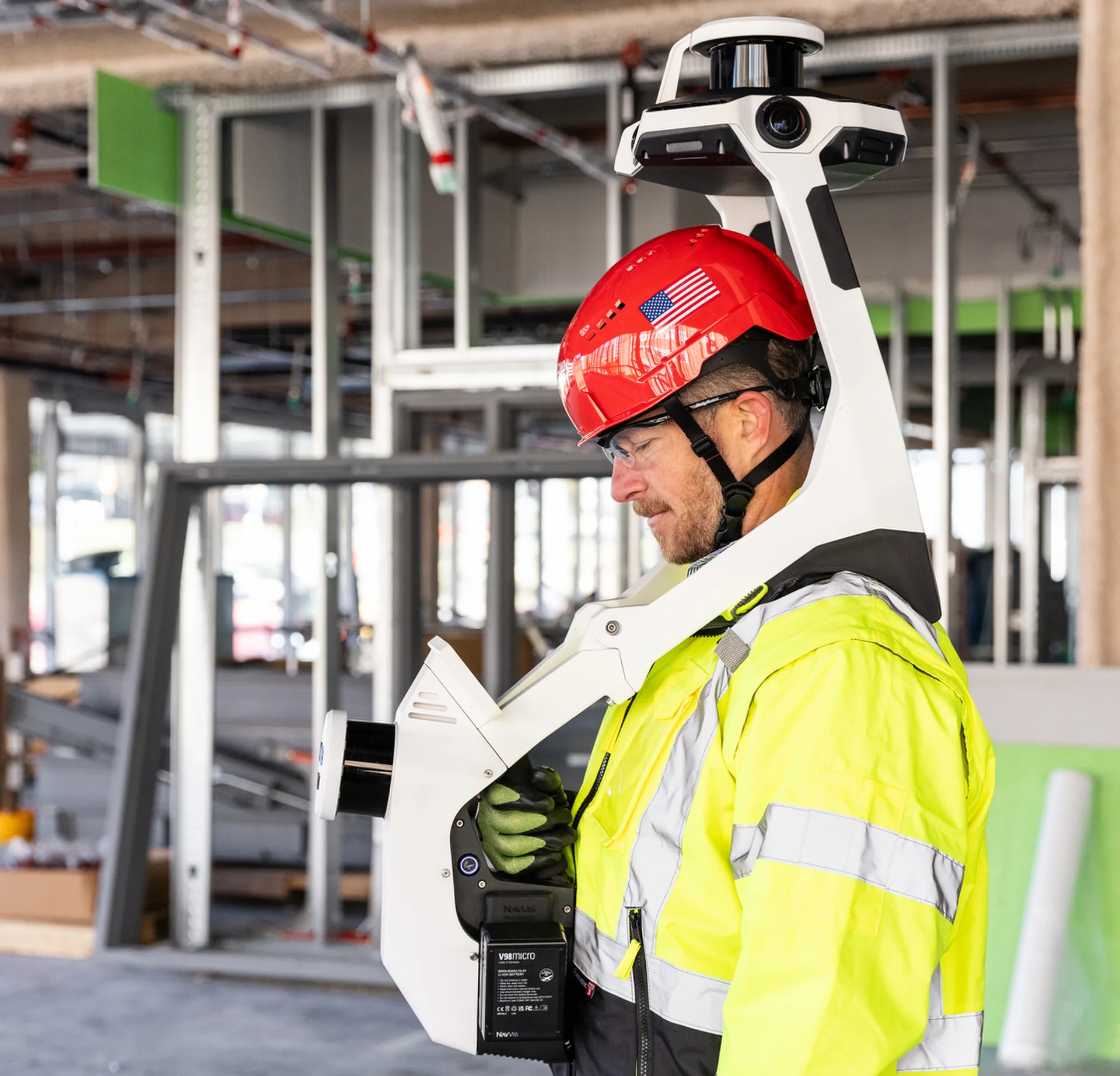
McCownGordon leveraged this approach on MGP’s biofuel expansion project in Atchison, Kansas. As part of the adaptive reuse of a former spirits plant into a biofuel manufacturing facility, our VDC team used a NavVis VLX mobile scanner to capture existing conditions and create a detailed point cloud model of the facility. The model was then shared with the design partner, allowing the design team to incorporate real-world conditions directly into the design process and model new components within the existing facility.
Learn more about the NavVis VLX 3 Scanner
By working from a data-rich representation of the facility, much of the project’s coordination was completed during design rather than in the field. This proactive approach improved accuracy, reduced potential coordination challenges and helped minimize cost and schedule impacts before construction began.
Supporting Collaboration Through VDC
At McCownGordon, Virtual Design and Construction is centered around building the project virtually before work begins in the field. Scan to BIM plays an important role in that process.
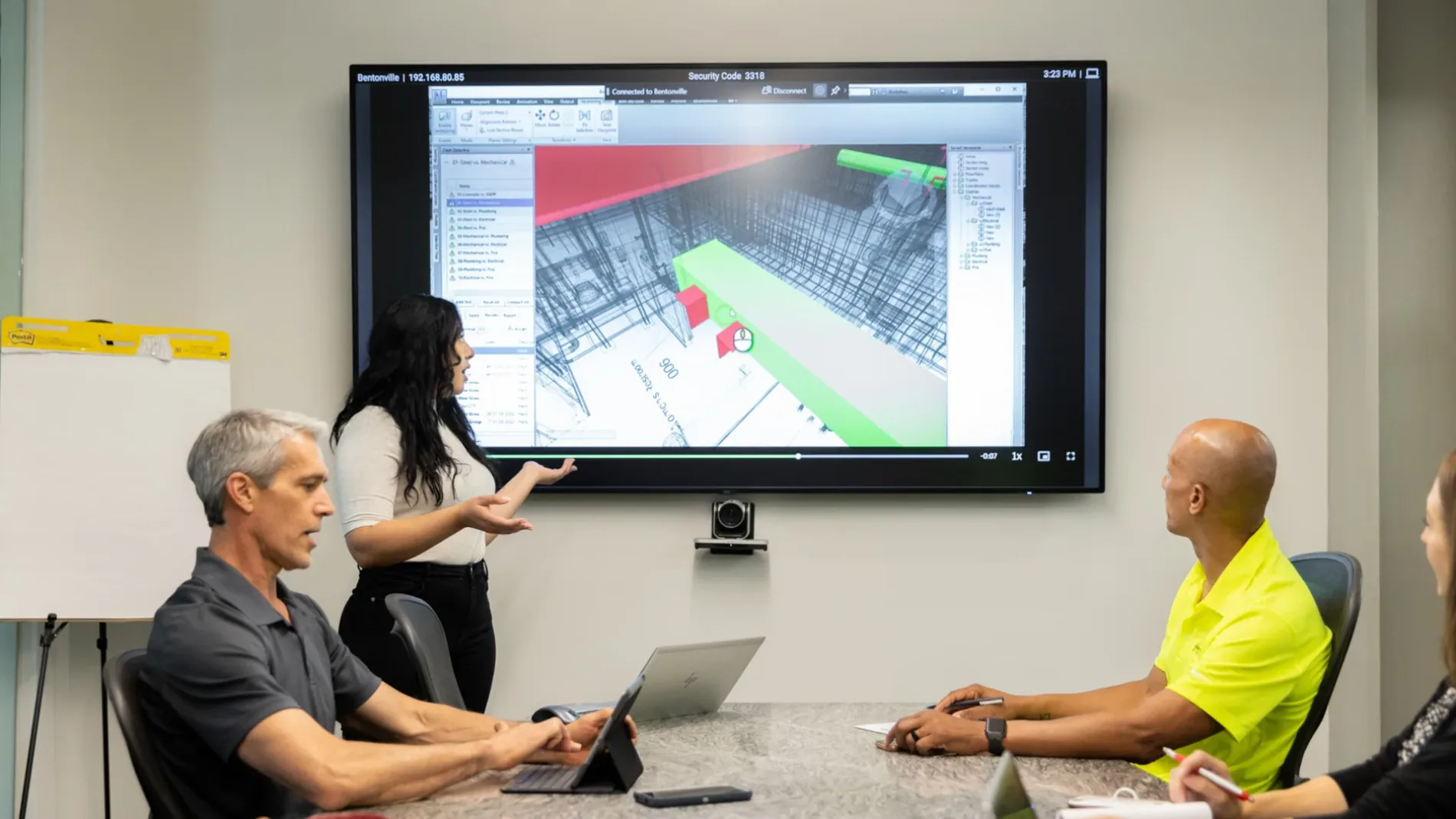
When an accurate digital model of an existing facility is available, project teams can coordinate more effectively, identify potential issues earlier and develop solutions before they become field challenges.
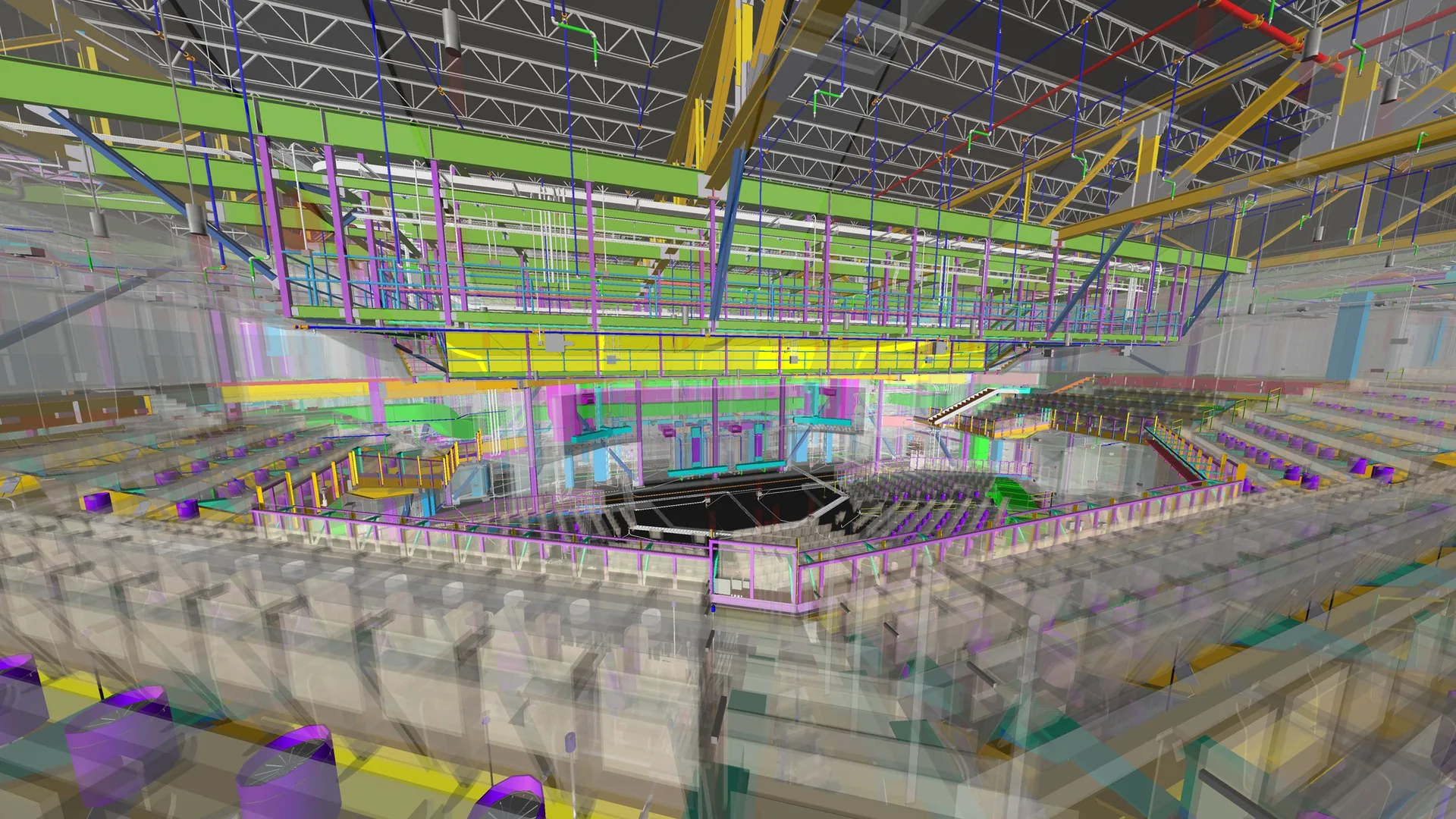
This information supports many VDC workflows, including:
Enhanced Coordination
Accurate digital models help project teams work from the same information, improving communication and alignment throughout the project lifecycle.
Clash Detection
Potential conflicts between architectural, structural and MEP systems can be identified and addressed before installation begins.
Virtual Mockups
Complex spaces can be reviewed digitally to support planning, sequencing and trade partner coordination.
Improved Quality Control
Identifying issues earlier increases confidence in planning and helps reduce surprises in the field.
Building with Confidence
At McCownGordon, Scan to BIM is one component of a broader Virtual Design and Construction strategy. Our VDC team leverages laser scanning, BIM coordination, clash detection, virtual mockups and other advanced technologies to build projects virtually before construction begins. By identifying issues early and bringing owners, design partners and trade partners together around accurate project data, we help reduce risk and support more predictable outcomes.
As renovation and modernization projects become increasingly complex, accurate existing-condition data is more important than ever. Leveraging innovative technology and deep construction expertise, McCownGordon helps clients move forward with greater confidence from planning through project completion.
Discover how our VDC team leverages technology to improve project outcomes.