Elevating Police Stations Through Better Training Facilities
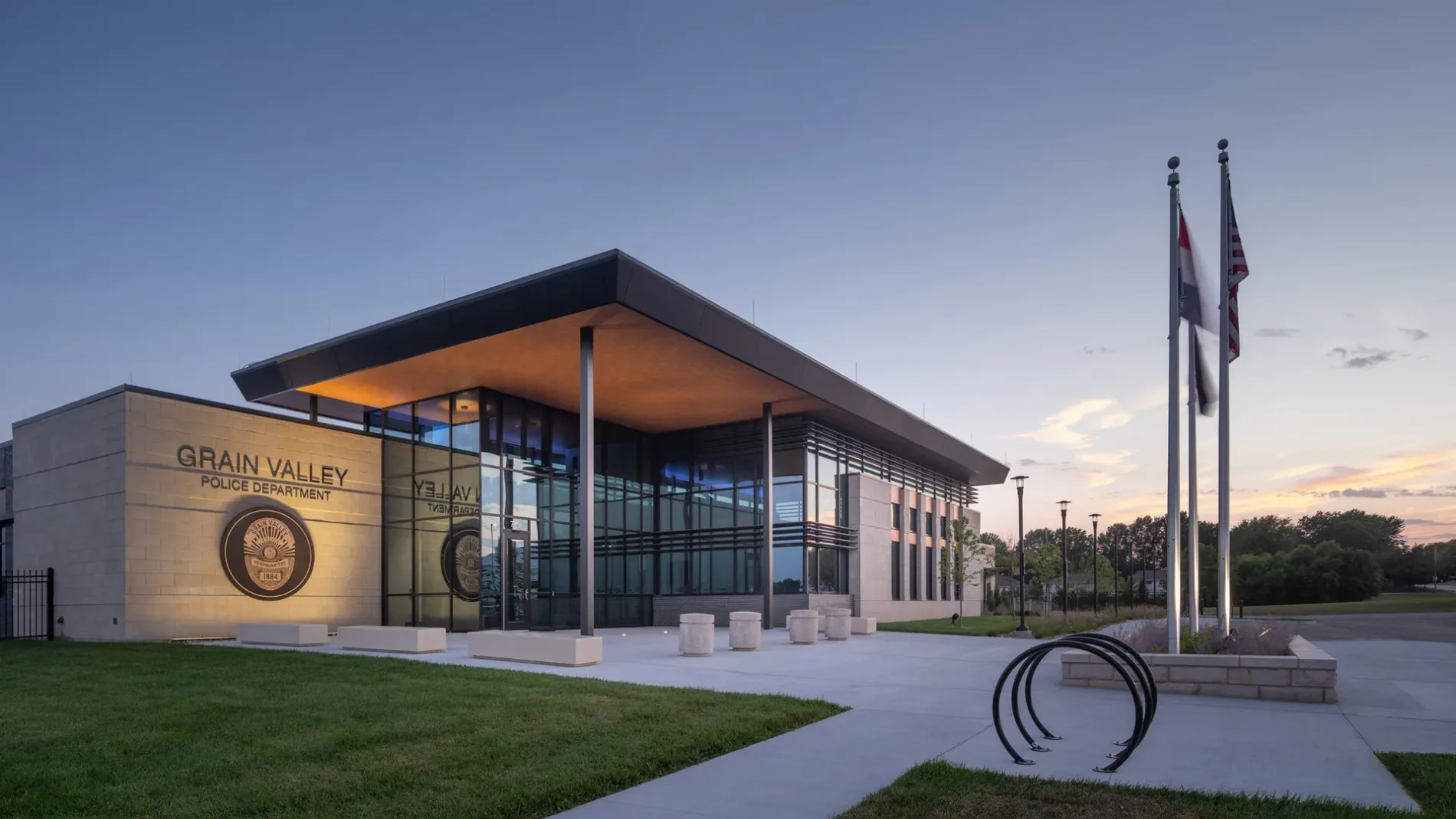
Modern policing requires more than response, it requires readiness. As policing evolves, the facilities that support it must evolve as well. Today’s police stations serve multiple functions, operating as command centers, community‑facing spaces and dedicated training environments.
Across a wide variety of public safety projects, McCownGordon has seen how the quality, location and flexibility of training spaces directly affect performance, safety and long‑term value. When training facilities are integrated into police stations, departments are better positioned to prepare officers for the real‑world conditions they face every day.
1. Quality Training Facilities Prepare Officers for Real-World Conditions
Quality training facilities are a necessity, not a luxury. Police officers are expected to make fast decisions under intense pressure, often in unpredictable environments. Preparing for those moments requires more than classroom instruction.
Purpose‑built training spaces, including firing ranges, scenario rooms and classrooms, allow departments to train consistently and safely. When these spaces are integrated into the station, training becomes part of daily operations rather than an occasional interruption. Officers can reinforce skills regularly, supervisors can adapt training to emerging needs, and departments can maintain higher standards without added logistical challenges.
Training spaces must balance safety, durability and functionality while remaining within budget. Early collaboration among owners, designers and builders helps right‑size training areas and ensures they deliver long‑term value rather than meeting short‑term requirements alone.
2. Flexibility Is Essential for Evolving Tactics and Technology
Policing continues to evolve as tactics change and technology advances. Training methods that were effective a decade ago may no longer reflect current demands. Facilities that lack flexibility risk becoming outdated well before the end of their life.
For that reason, flexibility has become a core design principle in modern police stations. Training spaces should be adaptable, able to support new technologies, updated programs and emerging best practices without costly renovations. Movable partitions, multipurpose classrooms and infrastructure designed to accommodate future systems allow departments to adjust without disruption.
When a construction manager is engaged early, they’ll ask how spaces may be used in five to 10 years and what technologies may be needed to support them. This approach helps protect long-term value and safeguard taxpayer investment.
3. Integrated Training Delivers Long-Term Value Over Off-Site Reliance
Relying heavily on off‑site training facilities can introduce added costs, lost time and scheduling challenges, while limiting consistent access and continuity. Although off‑site training will continue to play a role, departments that invest in integrated, on‑site training environments often see long‑term operational and financial benefits.
Integrated training spaces allow departments to respond quickly to emerging needs, reinforce learning in real time and reduce downtime associated with travel and coordination. They also help make training a routine part of departmental culture, rather than an occasional activity.
Integrated training facilities are often more cost‑effective. These spaces can serve multiple purposes, accommodate a variety of users and adapt as needs change, helping maximize return on investment over the life of the building.
Building for Readiness, Not Just Response
At McCownGordon, we believe police stations should support the full mission of modern policing, not only response but readiness. That requires an understanding of how officers train, how departments advance and how facilities can either support or limit that growth.
Our approach brings operational insight into the process early, helping owners make informed decisions about training environments, flexibility and long-term value. By aligning design, construction and operational goals, we help deliver police stations that are resilient, adaptable and prepared for what comes next.
When it comes to public safety, the right training environment is more than an investment in a building. It is an investment in people, performance and the communities they serve.